1. What Kind of Building is Woljeonggyo?
Woljeonggyo is a representative wooden bridge from the Silla Dynasty located in Gyeongju, Gyeongsangbuk-do. Constructed during the Unified Silla period, it is currently a cultural heritage site that has recreated its appearance from that era through restoration.
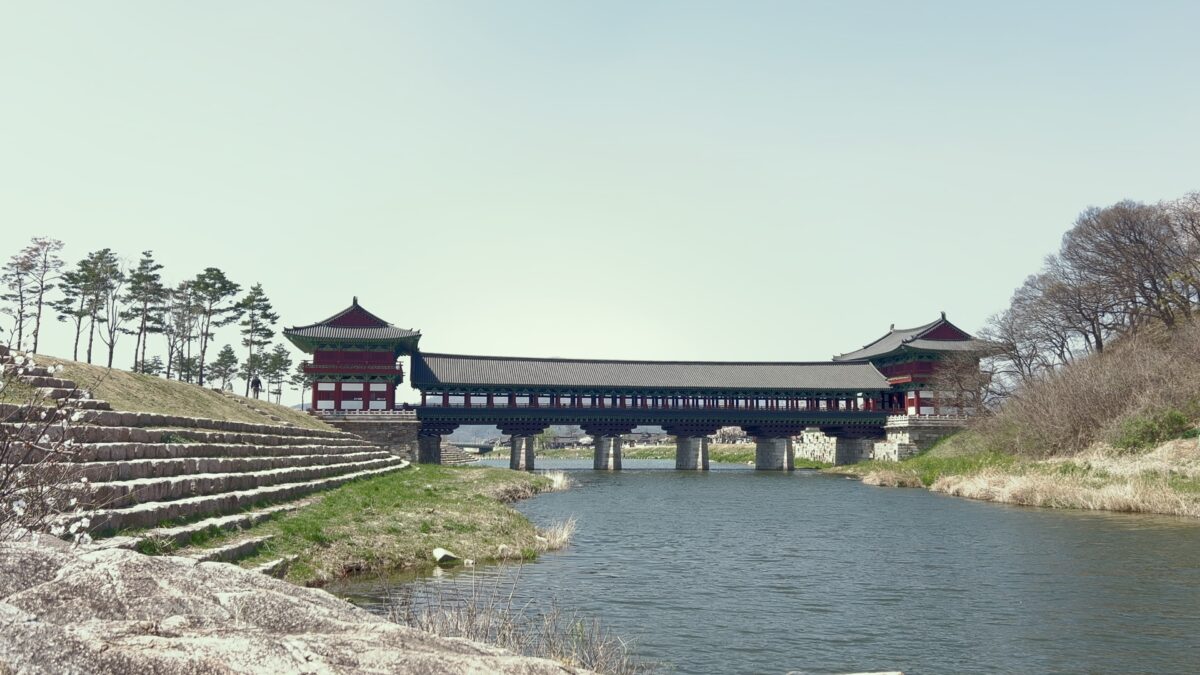
Located over the Namcheon River in Gyeongju, it is regarded as an important facility that served as a major transportation route for the Silla royal capital.
Currently, Woljeonggyo is not merely a bridge, but has established itself as a space combining historical symbolism and tourism value.
2. Historical Background
Woljeonggyo is known to have been constructed during the Unified Silla period and served as a key bridge connecting the royal palace to the southern region.
Construction Period: Unified Silla Period
Role: Major connecting bridge to the royal capital
Characteristics: A symbolic structure beyond a simple passageway
After being lost for a long time, a restoration project was carried out based on archaeological excavations and historical records.
3. Restoration Process
In modern times, Woljeonggyo was reborn through a large-scale restoration project.
Restoration Start: Early 2000s
Completion: 2018
Method: Maximizing the reflection of traditional architectural techniques
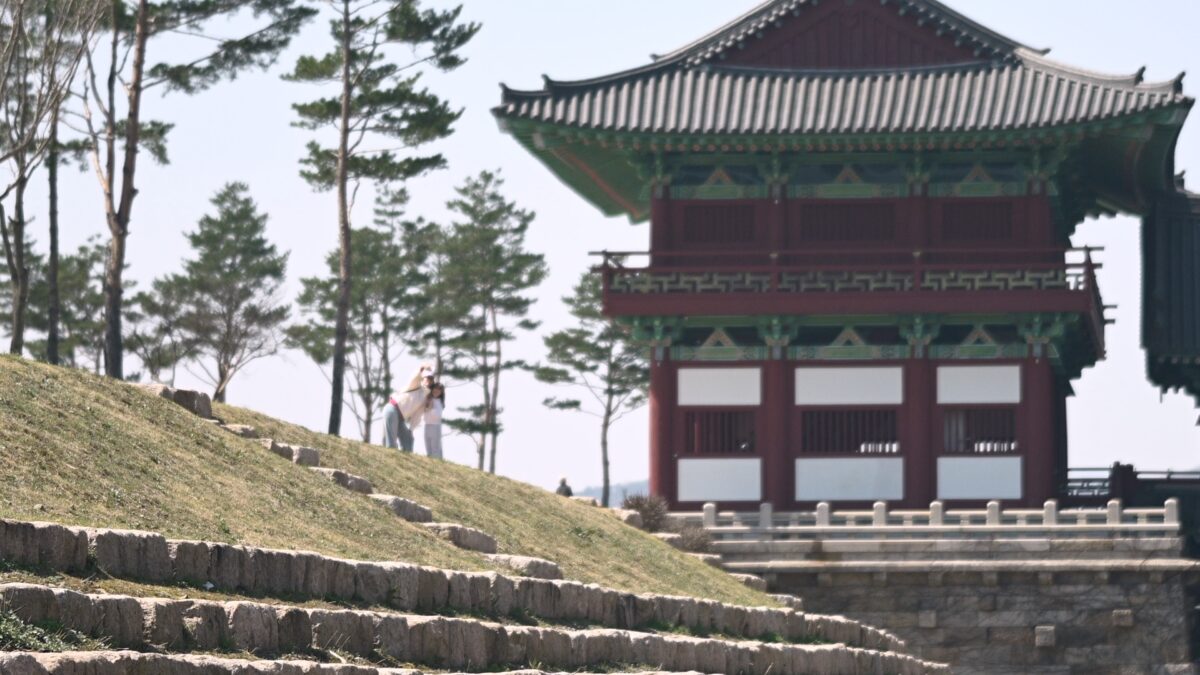
During the restoration process, the wooden structure, roof tiles, and colors were meticulously authenticated to recreate the architectural style of the Silla Dynasty.
4. Architectural Structure and Features
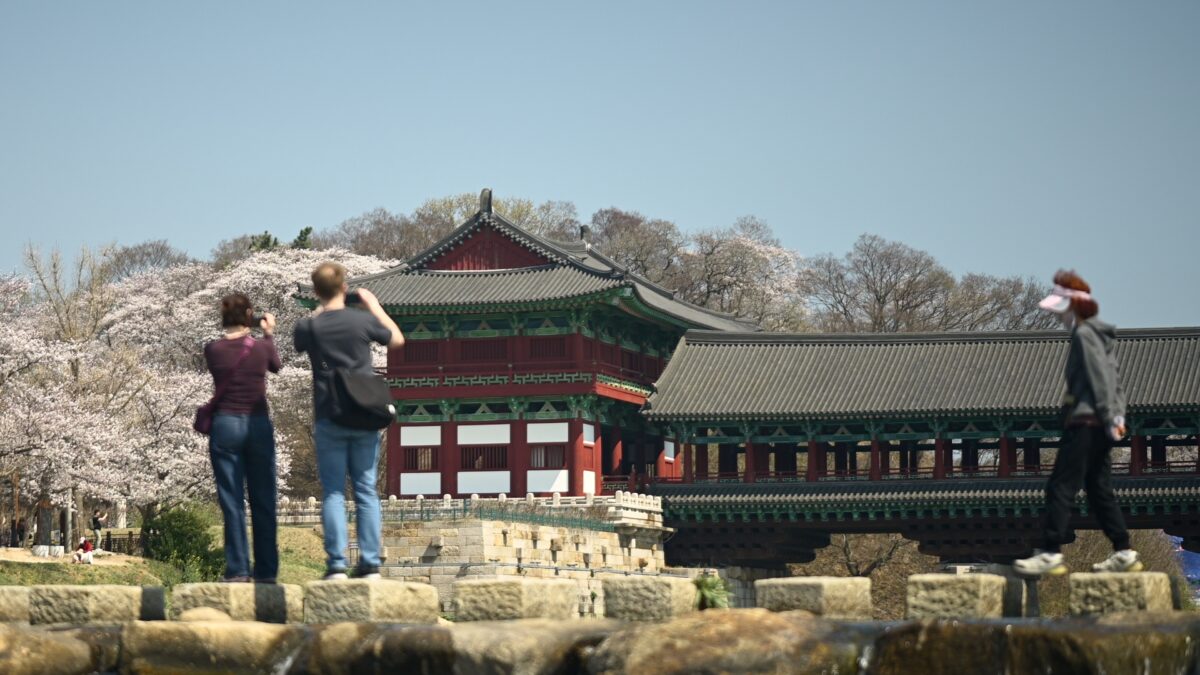
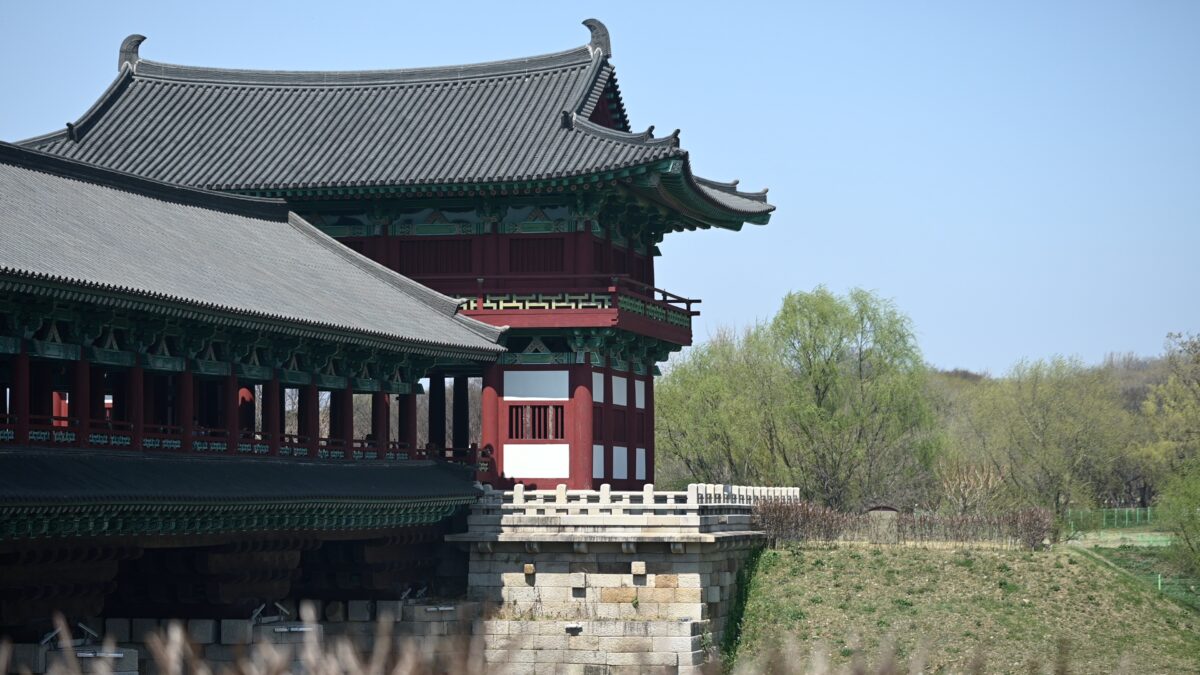
Woljeonggyo Bridge is not merely a bridge; it possesses a unique structure that incorporates the form of a pavilion.
Form: Wooden pavilion-style bridge
Length: Approximately 60m or more
Materials: Traditional wood + roof tiles
Features:
Roofed bridge structure
Pedestrian access within
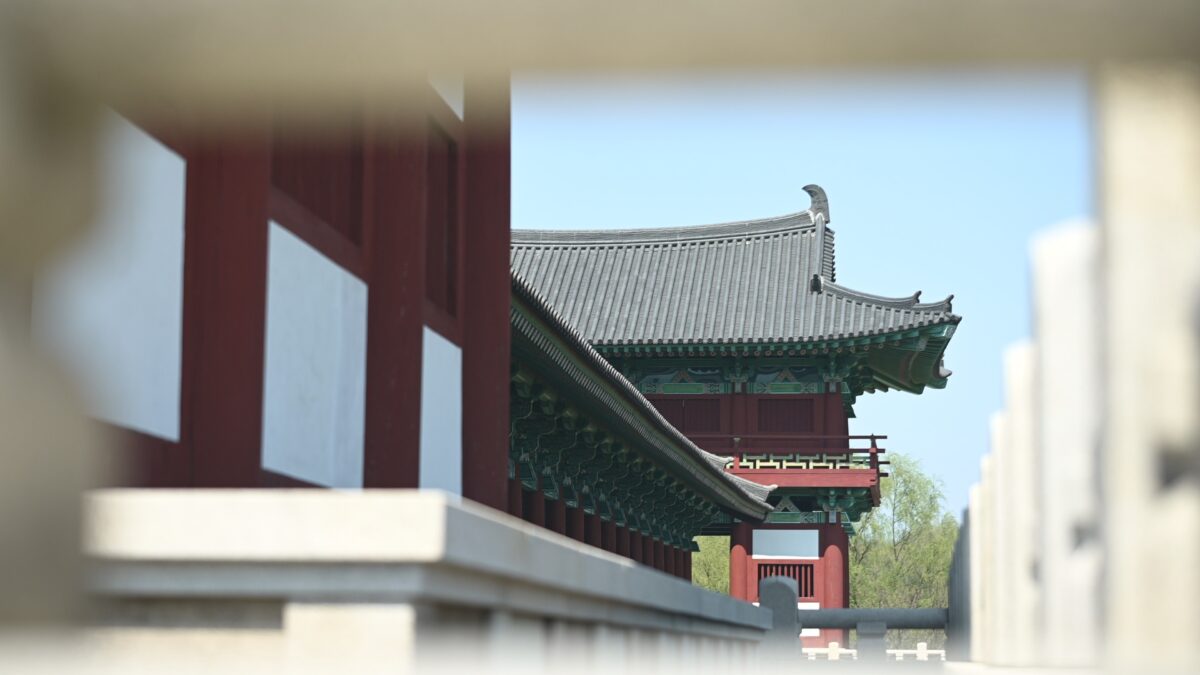
Application of traditional colors (Dancheong)
In particular, the form in which a building is perched atop the bridge is a key element that clearly demonstrates the characteristics of Silla architecture.
5. Cultural Significance
Woljeonggyo Bridge is not merely a tourist attraction, but an important heritage site that showcases the urban structure and culture of the Silla royal capital.
Role as a connecting axis of the royal capital
Symbol of Silla architectural technology
A representative example of historical restoration
Furthermore, it has established itself as a landmark representing Gyeongju and has had a significant impact on shaping the city’s image.
6. Tourist Highlights
① Night View
Woljeonggyo Bridge is highly regarded as a representative night view spot in Gyeongju due to its well-organized night lighting.
Its reflection on the water is a distinctive feature.
② Cherry Blossom Season
In the spring, the number of visitors increases significantly as the bridge blends harmoniously with the surrounding cherry blossoms.
It is a highly utilized location for photography.
③ Interior Tour
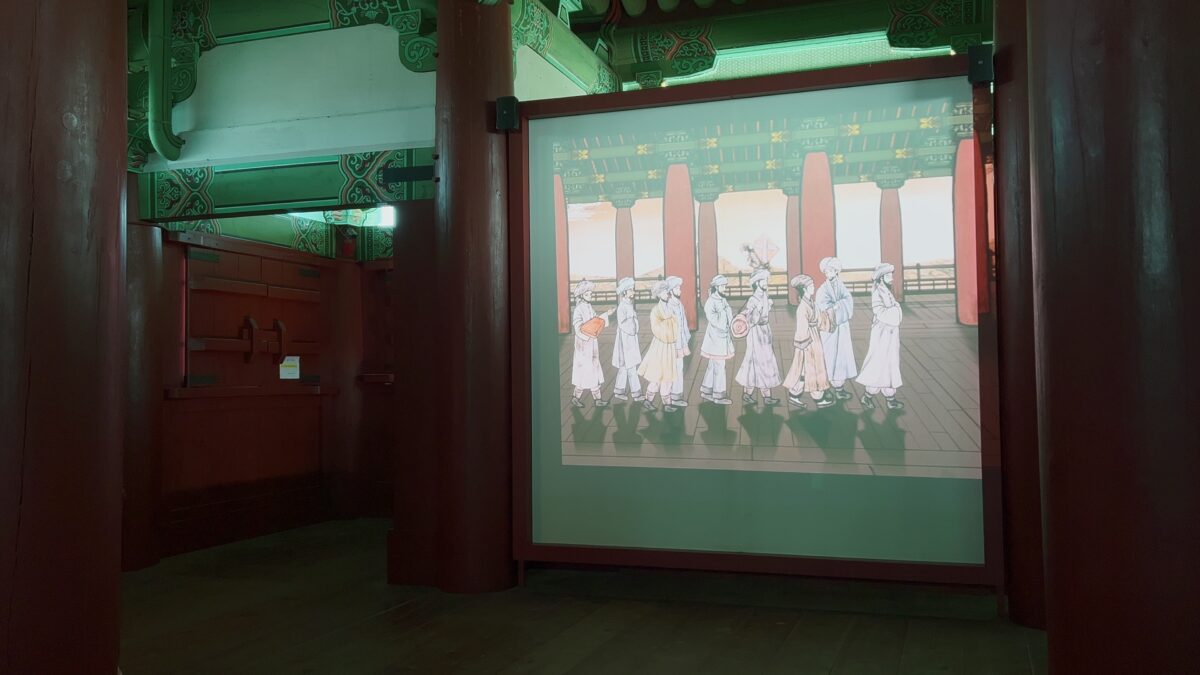
You can walk inside the bridge and examine its traditional structure up close.
7. Visit Information
Location: Gyo-dong area, Gyeongju-si, Gyeongsangbuk-do
Accessibility: Adjacent to major downtown tourist attractions
Viewing: Open year-round (Night visits recommended)
8. Summary of Features
Restored Silla Dynasty bridge site
Wooden pavilion-style bridge structure
Representative night view spot in Gyeongju
Key tourist destination during cherry blossom season
Conclusion
Woljeonggyo Bridge is more than just a restored site; it is an example of the urban structure and architectural technology of the Silla Dynasty being recreated in the modern era. Combining historical significance with tourism appeal, it has established itself as an important destination for both foreign and domestic travelers visiting Gyeongju.